Thinking about selling your Champaign County home next season? The best prep plans usually do not start with a last-minute deep clean and a hope for the best. If you give yourself 6 to 12 months, you can spread out projects, match them to Champaign’s weather, and make smarter choices about what actually matters before you list. Let’s break down a practical seasonal checklist that can help you sell with less stress and more confidence.
Why a Seasonal Plan Works in Champaign County
Champaign County is active, but it is not one-size-fits-all. Illinois REALTORS® reported 374 closed sales in Champaign County in the first quarter of 2026, with a median sales price of $227,625. In April 2026, the Champaign-Urbana metro area recorded 209 closed sales and a median sales price of $253,000.
The market has also been described as a seller’s market, but that does not mean every home will sell the same way. Public data showed 47 median days on market countywide in February 2026, while Champaign city posted a median of 29 days on market in March 2026. Sale-to-list ratios were strong at 98% countywide and 99% in Champaign city, yet neighborhood and ZIP code differences still point to the need for custom prep and pricing.
That is why a staged plan helps. Instead of trying to do everything in one frantic month, you can tackle the right tasks at the right time and make sure your home shows well for your specific area and price range.
Start 6 to 12 Months Ahead
A longer runway gives you room to be strategic. In Champaign County, weather changes can affect what work is practical, especially for exterior updates and maintenance. It also gives you time to sort out any bigger repairs without scrambling.
A useful timeline looks like this:
- 8 to 12 weeks out: major prep and planning
- 6 to 8 weeks out: repairs and maintenance items
- 4 to 6 weeks out: decluttering and staging
- 2 to 4 weeks out: photography and final visual prep
- 1 to 2 weeks out: touch-ups and showing readiness
If your home needs more than cosmetic work, starting even earlier can make life much easier.
Spring Checklist for Champaign Sellers
Spring is one of the smartest times to address issues winter left behind. Champaign’s April and May are among the wetter months, with average precipitation of 3.94 inches and 4.78 inches. That makes water management a top priority before you worry about the pretty stuff.
Handle Water and Exterior Maintenance First
Start by checking the parts of your home that deal with rain and runoff. If buyers see puddling, splash marks, or overflowing gutters, they may wonder what else has been ignored.
Focus on:
- Cleaning gutters and downspouts
- Checking grading and drainage around the foundation
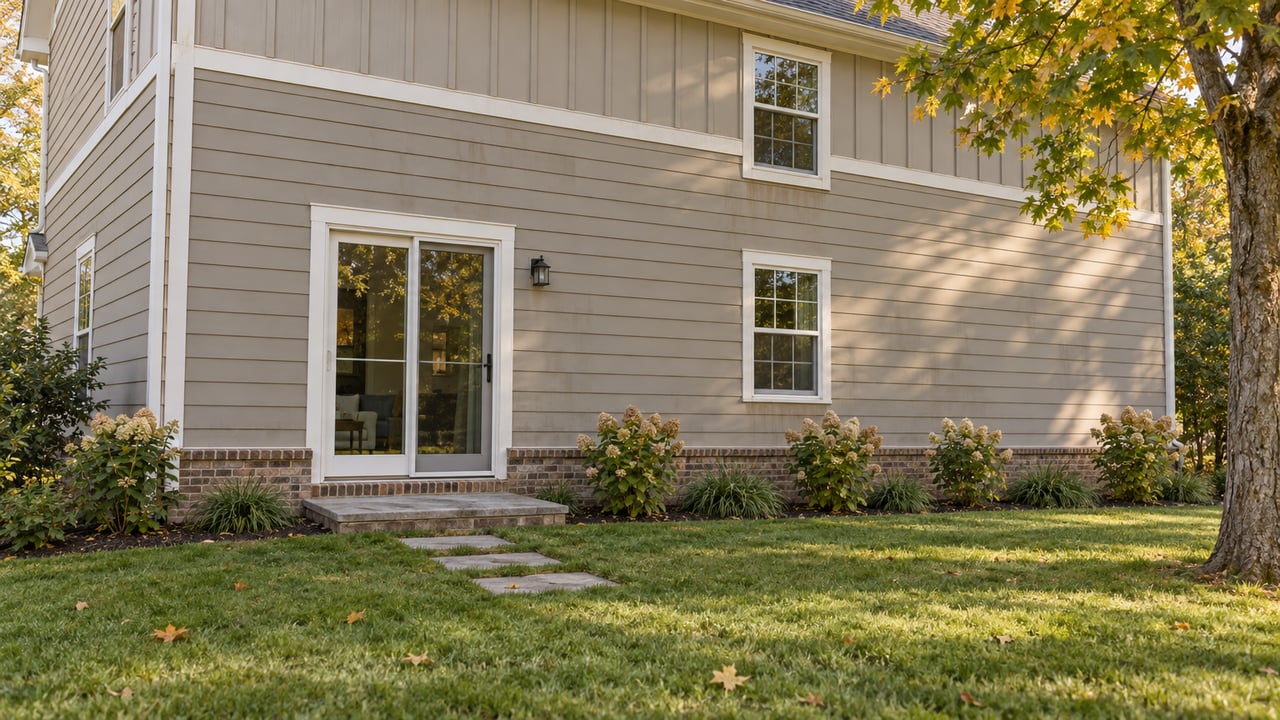
- Washing siding and walkways
- Looking for winter damage on trim, steps, and exterior surfaces
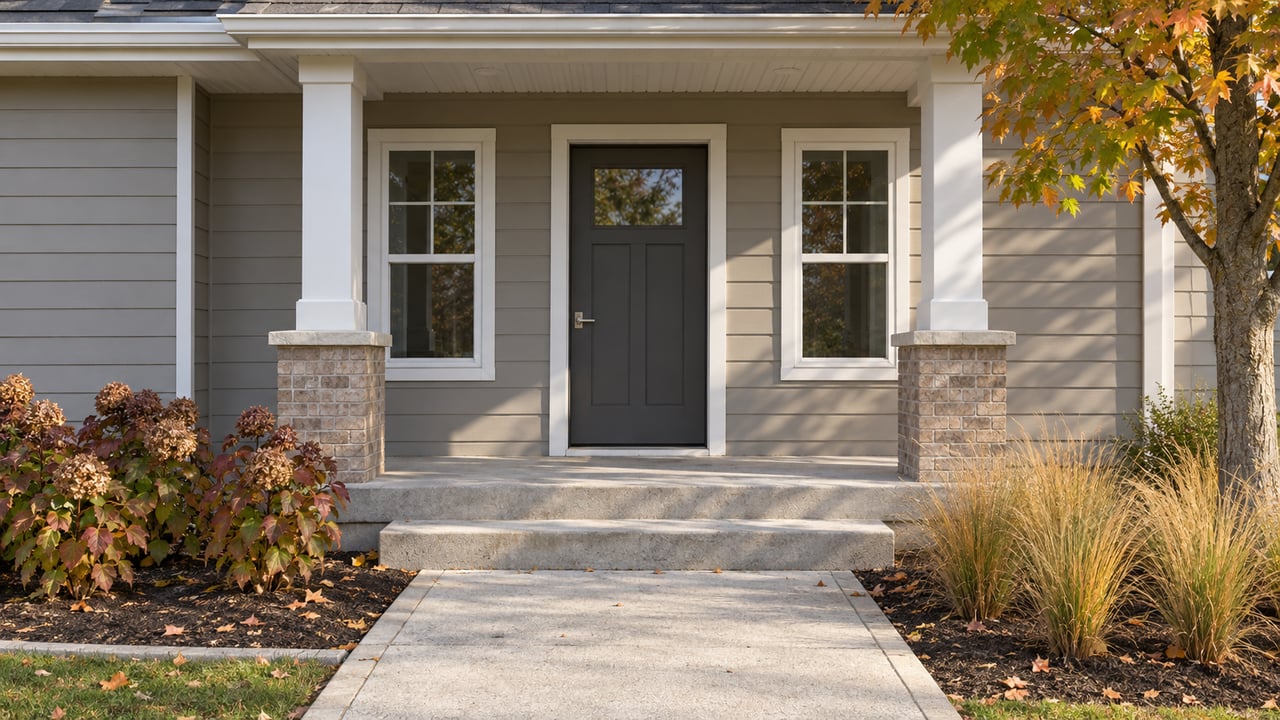
- Clearing mud and debris from the front entry
Refresh Curb Appeal
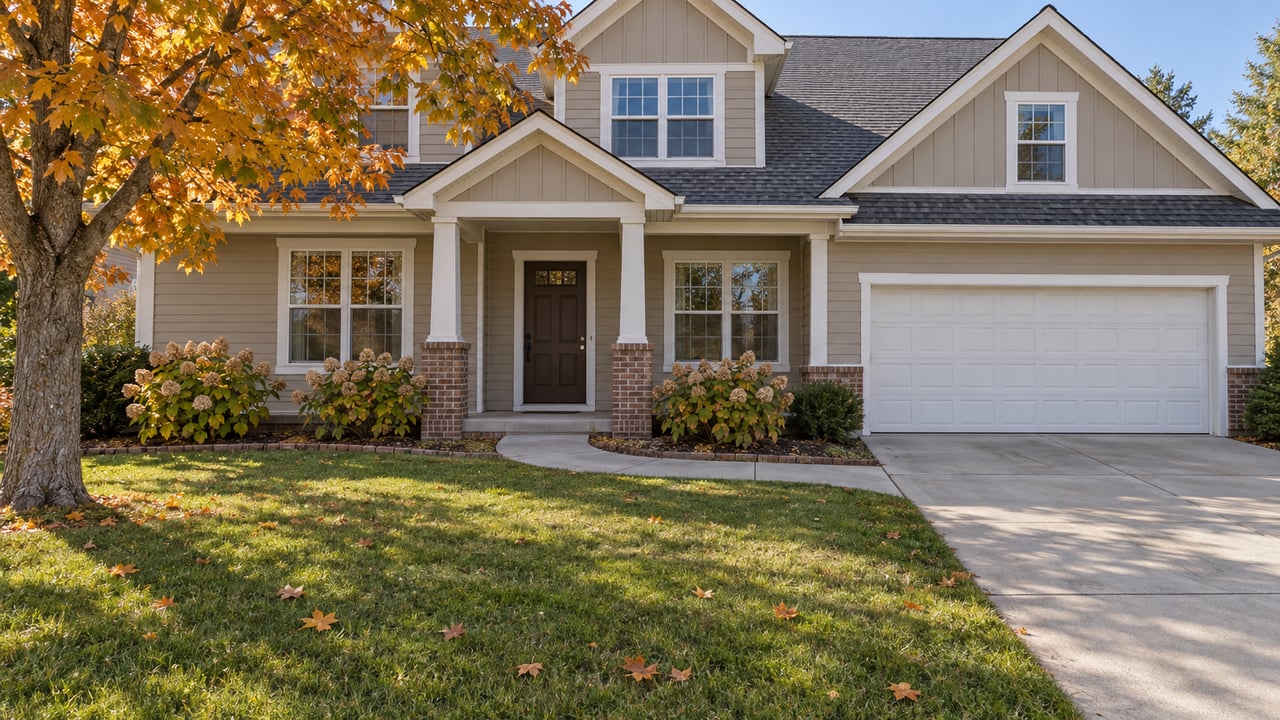
Once the practical items are handled, move on to appearance. Spring is ideal for making your home look cared for from the curb, which matters in photos and in person.
Good spring tasks include:
- Washing windows
- Adding fresh mulch
- Trimming shrubs
- Cleaning the front door and porch area
- Touching up paint where needed
These steps do not need to be expensive to make a noticeable difference. Clean, tidy, and intentional usually beats overdone every time.
Summer Checklist for Showings and Repairs
Summer is Champaign’s warmest season. Average temperatures reach 72.4°F in June, 75.2°F in July, and 73.8°F in August. That makes it a practical time for exterior work, but it also means buyers will notice comfort issues fast if your home feels warm or stuffy.
Prioritize Exterior Projects
Stable weather can make summer the easiest season for outdoor touch-ups. It is a great time to finish projects that need dry conditions and a little daylight.
Summer to-dos may include:
- Exterior paint touch-ups
- Fence or gate repairs
- Power washing patios or decks
- Lawn reseeding or cleanup
- Keeping landscaping trimmed and manageable
Summer still brings regular rain, with monthly precipitation between about 3.54 and 4.58 inches from June through August. So while the grass may grow fast, flower beds and edges can also get messy in a hurry.
Keep the Interior Cool and Comfortable
If your home will be shown during summer, comfort matters. A cool, fresh-feeling interior can leave a much better impression than a house that feels hot the moment someone walks in.
Before listing or opening your home for showings, consider:
- Testing your air conditioning performance
- Replacing filters
- Making sure vents are clear
- Using light window coverings to keep rooms bright without trapping heat
- Controlling indoor odors and humidity
Fall Checklist Before Cold Weather Arrives
Fall is your chance to get ahead of winter. In Champaign, average temperatures drop from 67.2°F in September to 41.4°F in November. Snow also starts becoming more likely in late fall, with November averaging 0.9 inches and December averaging 4.8 inches.
Seal, Check, and Clean
This is the season to handle small exterior issues before they turn into winter headaches. Buyers tend to notice drafty doors, neglected gutters, and a yard full of wet leaves.
Your fall checklist should include:
- Cleaning up leaves regularly
- Checking the roof visually for wear or missing materials
- Cleaning gutters again
- Sealing exterior gaps and caulking where needed
- Addressing drafty windows or doors
Plan Photography Before the Yard Looks Dormant
If you are aiming for strong listing photos, fall timing matters. It can be smart to schedule photography before trees fully lose their leaves and the landscaping starts to look sleepy.
You do not need peak color to get great photos. You just want the exterior to look neat, maintained, and intentional rather than halfway into winter hibernation.
Winter Checklist for Safety and Interior Prep
Winter can still be a productive selling season, especially for indoor projects. January averages 25.7°F in Champaign, and February averages 29.8°F. Snowfall averages 6.5 inches in January and 5.8 inches in February, so safety and access become essential.
Make Showings Safe
If your home is listed in winter, first impressions start at the curb. A slick walkway or dark entry is not exactly the welcome you want.
Stay on top of:
- Shoveling driveways, sidewalks, and steps
- Salting icy spots
- Making sure exterior lighting works
- Keeping entry paths clear and easy to access
Use Winter for Decluttering and Staging
Winter is a great time to focus inside, especially if exterior project options are limited. It is often easier to repaint, deep clean, and simplify your rooms when you are spending more time indoors anyway.
NAR’s 2025 staging report found that staging helps buyers visualize a property as their future home. The rooms staged most often were the living room, primary bedroom, dining room, and kitchen, and buyers’ agents ranked the living room as the most important room to stage.
That does not mean you need to stage every inch of the house. In many cases, the best return comes from decluttering, fixing visible issues, and making key spaces feel open, neutral, and functional.
Focus on the Rooms Buyers Notice Most
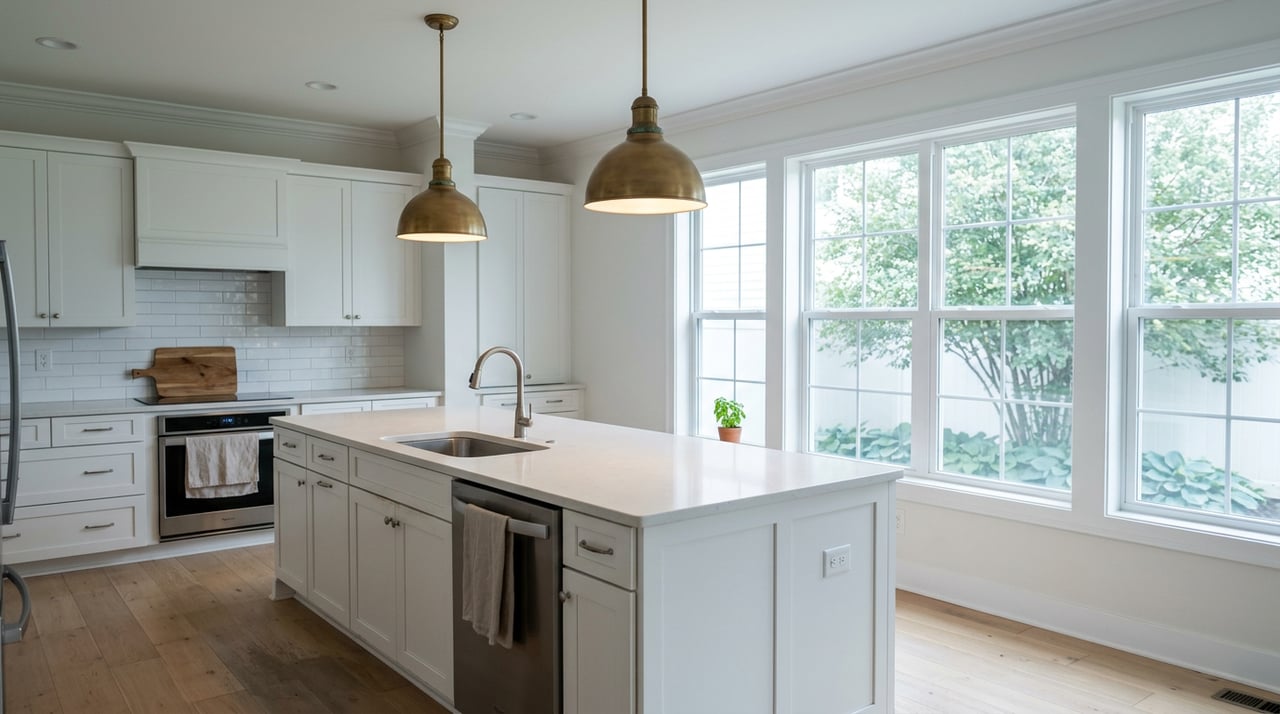
If you are wondering where to spend your time and money, start with the rooms buyers tend to remember. Based on staging data, the biggest priorities are usually the living room, primary bedroom, and kitchen.
In practical terms, that means your home should feel clean, bright, and move-in ready in these spaces:
- Living room
- Primary bedroom
- Kitchen
- Bathrooms
- Entryway
That might look like removing extra furniture, clearing countertops, storing personal items, and fixing the little maintenance issues buyers spot right away. You do not need magazine perfection. You do want buyers to picture daily life there without distraction.
Plan Repairs Early and Check Permit Needs
Some projects are simple cosmetic updates. Others may involve repairs that need more planning, more budget, or local approval. If your project goes beyond surface-level work, check local permit rules early.
The City of Champaign lists permit resources for items such as roofing, windows, decks, basement finishes, foundation repairs, detached garages, sheds, carports, and pools. The city also notes that complete one- and two-family residential permit review generally takes about five business days, with inspections scheduled on 24 hours’ notice.
That timeline is helpful, but it still means you do not want to wait until the last minute. If a repair could affect your listing schedule, it is better to know that months ahead instead of discovering it when you are trying to book photos.
Consider a Pre-Sale Inspection Strategically
A pre-sale inspection is not required, but it can help you understand what a future buyer may find. That can be especially useful if your home has aging systems or if you already know there may be questions about major components.
Even if you choose not to fix everything, it can still help to price out significant issues like roof, HVAC, or appliance concerns ahead of time. Knowing the likely cost and scope can help you make more informed decisions before negotiations begin.
Match Your Prep to Your Neighborhood and Price Point
One of the biggest mistakes sellers make is assuming the same checklist works for every home. In Champaign, market data shows meaningful differences by neighborhood and ZIP code. For example, reported median listing prices have varied widely between ZIP codes such as 61822 and 61820.
That is why smart prep is local. A home in one part of Champaign may need a different pricing and presentation strategy than a similar-sized home in another area. The right plan depends on your home type, condition, competition, and the expectations buyers have in your specific submarket.
A Simple Seasonal Seller Game Plan
If you want the short version, here it is:
- Spring: fix drainage, clean up winter damage, refresh curb appeal
- Summer: handle exterior repairs, maintain landscaping, keep the home cool
- Fall: clean leaves, seal drafts, check gutters and roof, schedule photos early
- Winter: focus on safety, declutter, deep clean, paint, and stage key rooms
When you stack these tasks over time, selling feels a lot more manageable. It also helps your home come to market looking polished instead of rushed.
If you are planning a move in Champaign County, the best prep plan is the one built around your timeline, your neighborhood, and your home’s condition. For a clear, local strategy that helps you focus on what matters most, schedule a free consultation with Tracy Slater.
FAQs
What is the best time to start preparing a Champaign County home to sell?
- A 6 to 12 month runway can work well because it lets you spread projects across the seasons and avoid rushing repairs, staging, and photography.
What should Champaign homeowners fix first before listing?
- Start with visible maintenance and water-management issues such as gutters, downspouts, drainage, grading, and any obvious exterior wear from winter.
Which rooms matter most when staging a home for sale?
- The living room, primary bedroom, and kitchen are top priorities, with bathrooms and the entry also worth extra attention.
Do Champaign sellers need permits for pre-sale home projects?
- Some projects may require permits, especially work involving roofing, windows, decks, basement finishes, foundation repairs, detached garages, sheds, carports, or pools, so check City of Champaign rules early.
Is a pre-sale inspection required before selling a home in Champaign County?
- No, a pre-sale inspection is not required, but it can help you uncover issues early and prepare for repair decisions or buyer negotiations.