Thinking about buying a small investment property in Champaign County? You are not alone, and you are not wrong to feel like the numbers can get confusing fast. Between rising prices, rising rents, and different rules depending on where a property sits, getting started takes more than a quick online search. This guide will help you understand how the local market works, where small rentals tend to fit, and what to review before you buy. Let’s dive in.
Why Champaign County Is Not One Market
One of the biggest mistakes new investors make is treating Champaign County like a single rental market. In reality, the county includes very different property mixes, renter patterns, and local rules depending on whether you are looking in Champaign, Urbana, or unincorporated areas.
Countywide, there are 96,457 housing units, and 57% are single-unit structures. About 53% of homes are owner-occupied. That tells you the county as a whole still leans more toward traditional housing than dense rental inventory.
Inside the City of Champaign, the picture changes. Champaign has 40,828 housing units, with 59% renter-occupied and 50% in multi-unit properties. Urbana is even more renter-heavy, with 19,228 housing units, 63% renter-occupied, and 57% multi-unit.
For you as a buyer, that matters. A duplex in Champaign or Urbana may play by a very different demand pattern than a detached home in an outlying part of the county. Same county, very different story.
What Local Prices and Rents Show
If you have been feeling like housing costs have moved quickly, the data backs that up. According to the City of Champaign’s 2026 Housing Needs Analysis, local home prices rose 63% from $143,983 to $234,967 between 2015 and 2025.
Rents moved up too. Market-rate rents rose 57% from $881 to $1,383 between 2015 and 2024. At the same time, 55% of renters are considered cost-burdened, which points to ongoing affordability pressure in the local market.
There is also limited new single-family supply coming online. Only 23 single-family homes were permitted in 2024 in Champaign, which was the lowest number since 1967. When supply stays tight and costs keep rising, small investment properties can attract attention from both renters and buyers looking for alternatives.
QuickFacts data adds some useful context. Median gross rent is $1,051 in Champaign County, $1,123 in Champaign, and $972 in Urbana. Median household income is $63,683 countywide, $56,118 in Champaign, and $45,346 in Urbana.
Those numbers do not tell you exactly what a specific unit will rent for, but they do help frame the local landscape. They also reinforce why submarket analysis matters more than broad county averages.
Where Small Investment Properties Tend to Fit
If you are buying your first or second rental, the strongest demand is often in and around Champaign and Urbana. That is not because homes elsewhere in the county cannot work. It is because the city markets have a larger renter base and more multi-unit housing already in place.
Champaign is home to the University of Illinois and Parkland College. University of Illinois campus facts list more than 35,000 undergraduates and 20,000 graduate students. That does not mean every property near campus is automatically a winner, but it does help explain why some city submarkets behave differently than detached homes farther out.
In some parts of Champaign, small multifamily housing is especially concentrated. For example, one census tract is 89% multi-unit and another is 99% multi-unit. That suggests rental density is not evenly spread across the city, which is important when you compare one block, neighborhood, or property type against another.
This is where local guidance really helps. A small rental near one major demand driver may pencil out very differently from a similar property just a few miles away.
Start With the Numbers, Not the Hype
A rent estimate is a starting point, not a full investment plan. Before you get attached to a property, make sure you understand the full monthly cost stack.
At a high level, your underwriting should include:
- Mortgage principal and interest
- Property taxes
- Insurance
- Routine repairs and maintenance
- Vacancy allowance
- Cash reserves
- Property management costs, if any
- Utilities the owner will pay
This is where many first-time investors get surprised. A property can look great based on gross rent alone and still feel tight once you layer in taxes, repairs, and turnover costs.
Understand Property Taxes in Champaign County
Illinois property taxes are not based on one flat statewide rate. They depend on equalized assessed value and the levies set by local taxing districts. Most property is assessed at 33 1/3% of fair market value.
In Champaign County, real estate taxes are billed in two installments. If you are estimating future expenses, ask for help reviewing the current tax picture and how it fits your purchase assumptions. That is especially important if the property may change use, ownership, or occupancy after closing.
If you are planning a house-hack, meaning you live in one unit and rent the other, owner-occupant rules may matter. The General Homestead Exemption applies to a principal dwelling place, while pure rentals generally do not qualify. A tax professional can help you understand how that may apply to your situation.
Jurisdiction Matters More Than Many Buyers Expect
Here is the part that is easy to overlook: two similar properties can come with different local rules simply because they fall under different jurisdictions.
In Champaign, zoning is governed by Chapter 37 of the municipal code. That covers things like permitted uses, setbacks, building size, parking, signs, and screening. Champaign also has a rental-housing inspection process that tenants can use if a landlord does not respond to repair issues.
In Urbana, rental properties are handled through a Rental Registration Licenses portal. The city also requires that a landlord and tenant ordinance summary be provided to tenants.
In unincorporated Champaign County, Planning and Zoning handles zoning use-permit applications, zoning compliance certificates, and zoning ordinance enforcement. So before you buy, make sure you know exactly which local body regulates that property.
Questions to Ask Before You Buy
A good investment purchase usually comes down to asking better questions early. You do not need to know everything on day one, but you do want the right people helping you pressure-test the deal.
Questions for Your Lender
- What down payment is required for this property type?
- How many cash reserves do you want to see?
- Will projected rent count toward qualification, and how much of it?
- Do the loan terms change if you live in one unit?
- What happens if the property is vacant longer than expected?
Questions for Your Tax Professional
- How should you estimate Champaign County property taxes for this purchase?
- Which repairs may be deductible now?
- Which improvements may need to be depreciated?
- If you occupy one unit, could any owner-occupied exemption apply?
- How should you track depreciation and future sale issues?
Questions for Your Real Estate Agent
- Is the property in Champaign, Urbana, or unincorporated county jurisdiction?
- What zoning, parking, registration, or inspection rules apply?
- What are realistic rents for this exact property type and submarket?
- Has the property had prior code issues, tenant complaints, or rental inspections?
A Smart First-Step Strategy
If you are new to investing, try not to solve everything at once. Start by narrowing your search to a property type you understand and a location where rental demand makes sense for your goals.
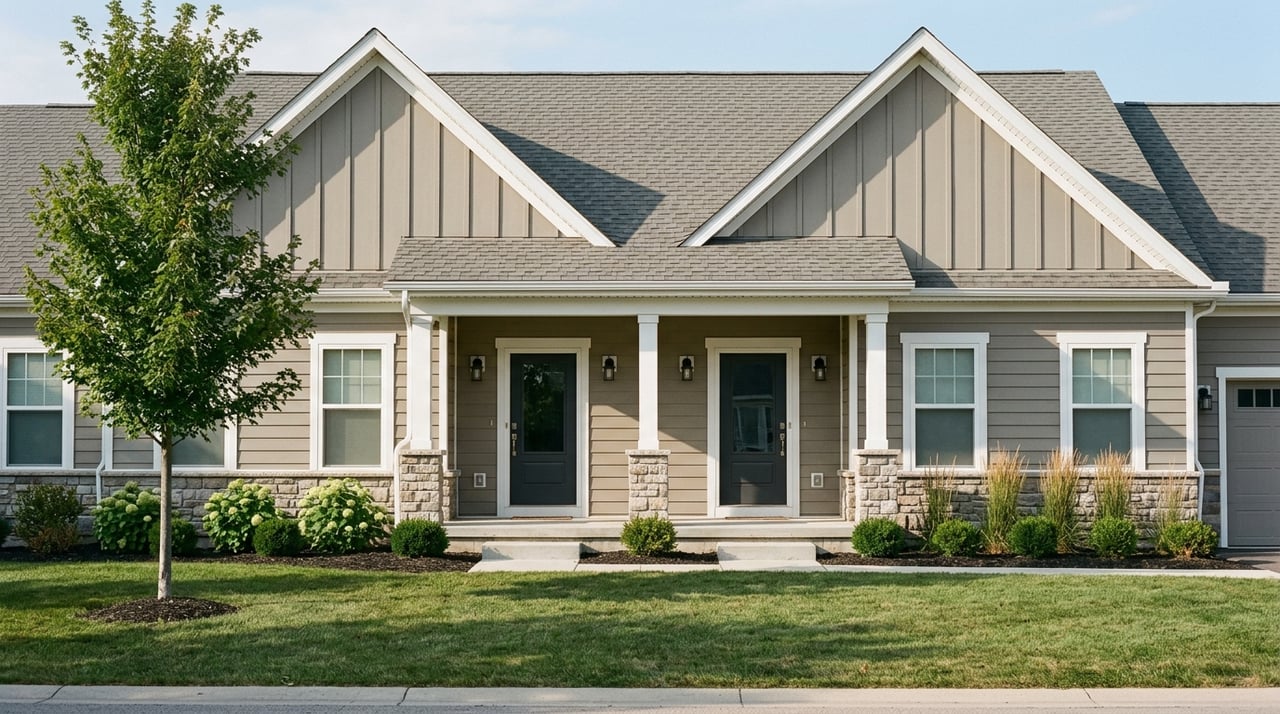
For some buyers, that may be a small duplex where you live in one unit. For others, it may be a single-family rental in a stable part of the market. The right fit depends on your budget, financing, comfort with repairs, and how hands-on you want to be.
A simple framework can help:
- Review the submarket. Look at whether the area is renter-heavy, multi-unit heavy, or more owner-occupied.
- Run the full numbers. Include taxes, reserves, maintenance, and vacancy.
- Check the rules. Confirm the zoning, registration, and inspection requirements for that jurisdiction.
- Match the property to your plan. Decide whether this is a cash-flow play, a house-hack, or a long-term hold.
That may not sound glamorous, but glamorous rarely fixes a weak pro forma.
Why Local Guidance Helps
Small investment properties can be a solid entry point, but they are rarely plug-and-play. In Champaign County, the best opportunities often come from understanding neighborhood-level demand, realistic rents, and the local rules tied to a specific address.
That is why having a local agent matters. You want someone who can help you sort through the numbers, flag jurisdiction issues early, and keep you focused on properties that actually fit your goals instead of just looking shiny online.
If you are exploring your first small investment property in Champaign County, a local conversation can save you time, stress, and at least a few spreadsheet headaches. When you are ready to talk strategy, connect with Tracy Slater for a free consultation.
FAQs
What makes Champaign County different for small investment properties?
- Champaign County includes several distinct rental markets. Countywide housing is mostly single-unit, while Champaign and Urbana have larger renter populations and more multi-unit housing.
What are median rents in Champaign County, Champaign, and Urbana?
- Census QuickFacts lists median gross rent at $1,051 in Champaign County, $1,123 in Champaign, and $972 in Urbana.
Why do Champaign and Urbana often attract small rental investors?
- Both cities have higher renter occupancy and more multi-unit housing than the county overall, which can create different demand patterns for duplexes, small multifamily properties, and other rentals.
What local rules should you check before buying a rental in Champaign County?
- You should confirm whether the property is in Champaign, Urbana, or unincorporated Champaign County, then review the zoning, parking, registration, inspection, or compliance requirements that apply in that jurisdiction.
How are property taxes handled for investment property in Champaign County?
- Illinois property taxes are based on assessed value and local taxing district levies, and Champaign County bills real estate taxes in two installments.
Can you get a homestead exemption on a small investment property in Illinois?
- The General Homestead Exemption is for a principal dwelling place, so it may be relevant if you live in part of the property, but pure rentals generally do not qualify.