Wondering what your Champaign County home should list for? Price too high and you risk sitting on the market; price too low and you leave money on the table. You deserve a clear, data-backed plan that fits your goals and timing. In this guide, you’ll see how local numbers work, which metrics matter, and a simple strategy to set a price that attracts strong offers and supports appraisal. Let’s dive in.
Champaign County market snapshot
If you want a reliable price, start with local MLS data. The Champaign County Association of REALTORS (CCAR) publishes monthly reports based on MRED, which is the local source of truth for closed sales and pendings. According to CCAR’s May 2025 release, Champaign County recorded 215 property sales with a median sale price of about $259,900. You can view current county-level trends on the CCAR Market Data page.
- Explore the CCAR Market Data page for current reports: CCAR Market Data
- Example snapshot: CCAR’s May 2025 release notes 215 sales and a $259,900 median: May 2025 CCAR report
City-level platforms track trends differently. For example, Zillow’s Champaign Home Value Index showed a typical home value in the low to mid $200,000s as of January 31, 2026. That gives helpful context for the city of Champaign, but MLS comps for your neighborhood and time window will set the most accurate list price. Differences come from geography, time frames, and data methods.
How data-driven pricing works
Core inputs for your price
A strong comparative market analysis (CMA) looks at several data points together so you see a supported range, not a guess.
- Recent closed sales. Aim for 3 to 5 closed comps from the last 3 to 6 months in your neighborhood or a close match. Closed sales show what buyers actually paid and form the backbone of your CMA. See consumer-friendly CMA basics from Realtor.com.
- Pending sales. Pendings reveal where buyers are committing right now and can flag short-term price momentum. NAR outlines how agents use this as a leading indicator in its consumer guide.
- Active and expired listings. Actives are your direct competition for buyer attention; expired or withdrawn listings help you avoid price points that failed in the recent past. Realtor.com’s CMA overview explains how these fit into the picture.
- Market metrics. Your CMA should show sale-to-list ratio, median days on market, price per square foot, and months of supply. These yardsticks put your home on the local scale. NAR explains how agents use these benchmarks in its pricing guide.
Adjust for condition and features
Comps rarely match your home perfectly. An experienced agent makes adjustments for square footage, bed/bath count, lot size, garage and basement, age and style, and recent upgrades. This is part data and part judgment based on neighborhood norms. For a helpful primer on how appraisers weigh comps, see Riverfront Appraisals’ overview.
Also understand appraisal vs. market price. In a hot pocket, buyers may bid above what closed comps can support. Appraisals rely on recent closings and rules that may not capture a competitive premium. To reduce risk, your agent may recommend pricing within the supported range or even ordering a pre-listing appraisal for documentation. Learn more about common gaps in this appraisal vs. market value explainer.
Condition and timing matter
Prep that pays off
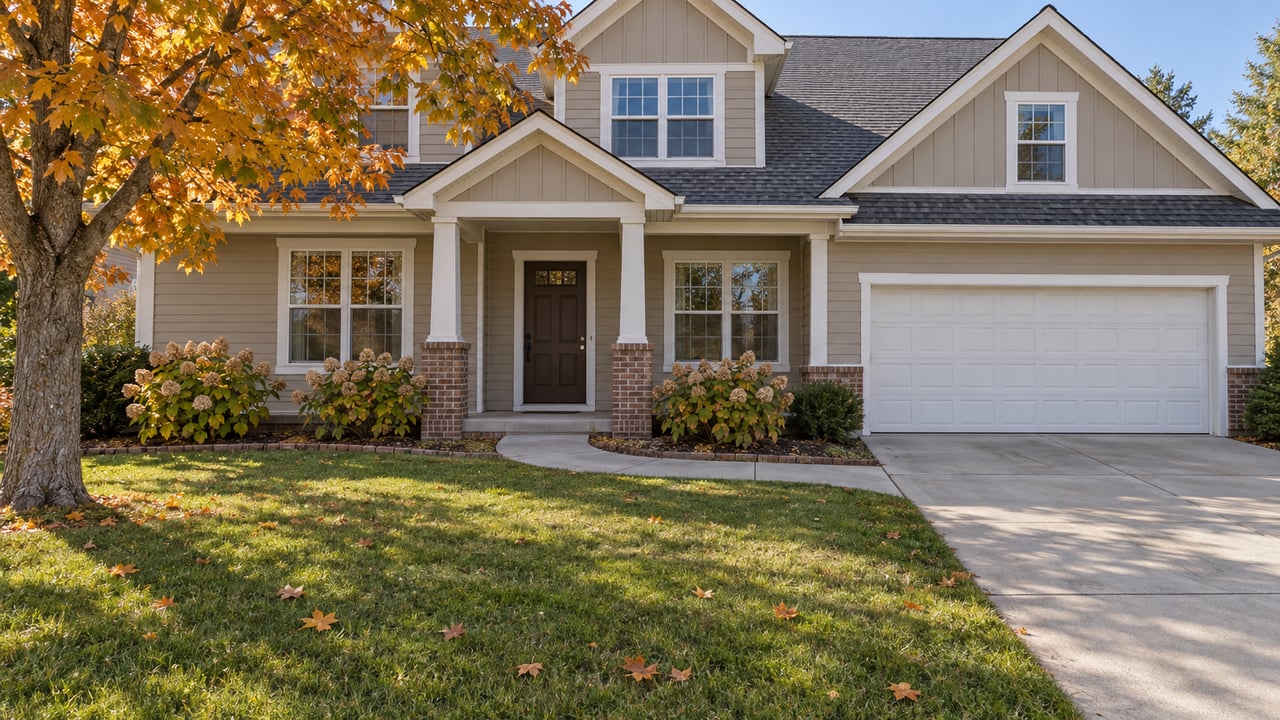
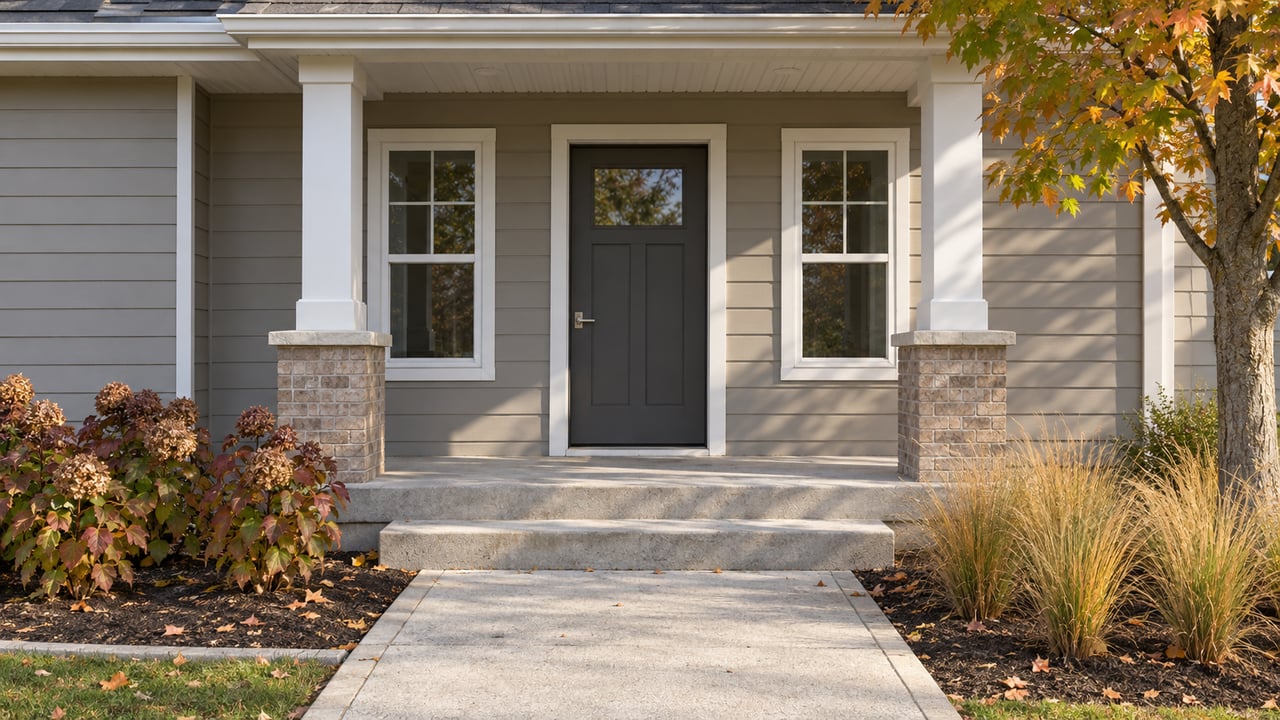
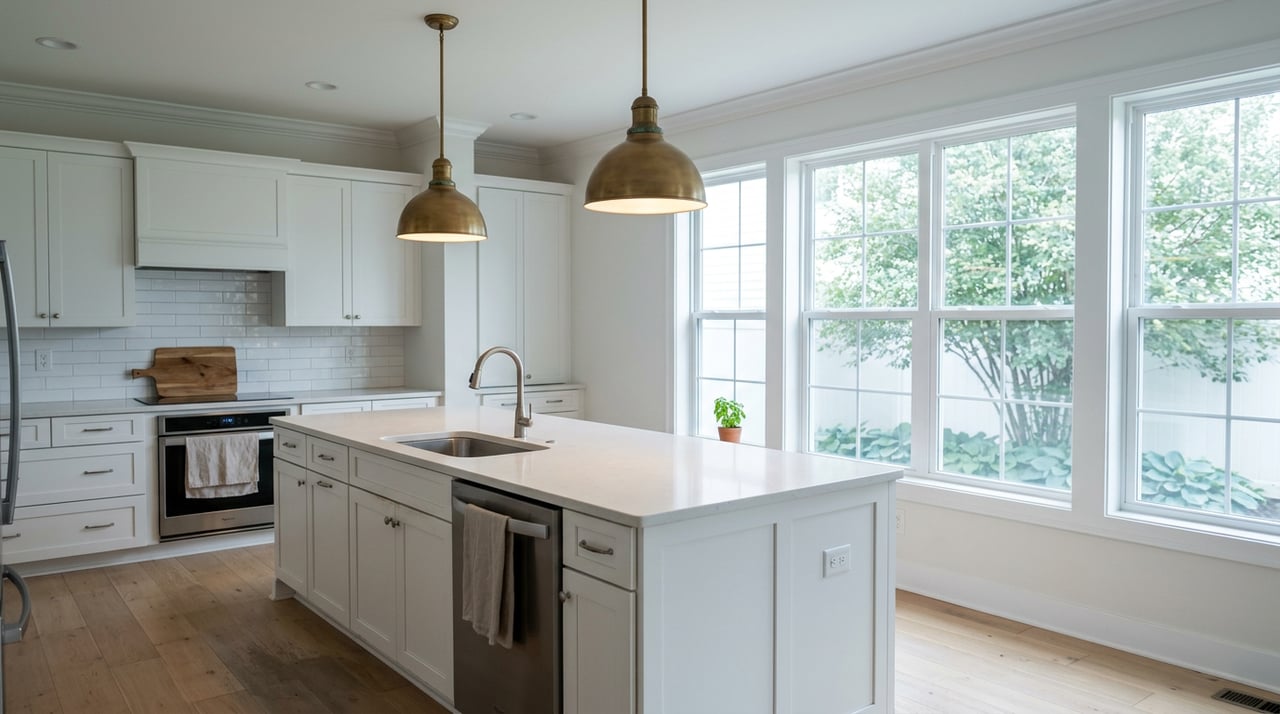
Repairs and presentation shape buyer perception. Focus first on safety or structural items, then tackle high-ROI cosmetic updates: fresh neutral paint, deep cleaning, decluttering, minor lighting or hardware swaps, tidy landscaping, and light staging. NAR notes that smart prep and staging often shorten market time and improve offers. See NAR’s consumer guidance on what goes into pricing and presentation and refer to your agent’s checklist for local expectations.
For larger projects, weigh cost against likely value in your immediate market. Your CMA should show how renovated homes are selling versus similar unrenovated properties so you avoid overinvesting.
Seasonality in Champaign
The University of Illinois Urbana-Champaign drives steady housing demand and a distinct calendar. Student move cycles and academic hiring influence rental investors and some owner-occupant activity, while many family buyers try to move before a new school year. UIUC set a record with about 59,238 total students in fall 2024, which supports ongoing demand. You can read the university’s summary of enrollment trends here.
Local employers like Carle Health, Parkland College, and the Research Park add stability to the buyer pool. All this means neighborhood-level comps and timing strategy are especially important.
Smart pricing strategies
A price that matches buyer expectations in your niche attracts more showings and better terms. Here are three common, evidence-based options:
- Price at market. List near the middle of the credible comp range to draw qualified buyers and support appraisal. This often minimizes days on market and reduces surprises. See consumer guidance on pricing strategy from Realtor.com.
- Slightly under market. Listing a little under the top comparable range can spark more showings and sometimes multiple offers in active pockets. This can help when timing is a priority.
- Aspirational pricing. A higher list can fit a distinctive or heavily upgraded home when data supports a premium. The risk is going stale, then needing a larger reduction later. NAR’s price-reduction guidance explains why timely, meaningful adjustments matter if the market pushes back. Review NAR’s advice on when and how to adjust.
Pro tip: Be mindful of buyer search bands. Even a small change, like $200,000 vs. $199,900, can shift which buyers see your home in portal filters. Your agent will match price points to local search behavior using MLS and portal insights. See a consumer explanation of this tactic in Realtor.com’s pricing guide.
Launch and your first 14 days
The first two to four weeks often capture the most qualified buyers. NAR recommends testing the market reaction for roughly two weeks, then using real feedback to guide next steps. If you are priced correctly, you should see steady showings and signs of interest early. If activity lags, move quickly and strategically rather than waiting it out. See NAR’s guidance on pricing tests and reductions.
Our step-by-step pricing plan
Here is a simple, transparent workflow our team uses to set, test, and refine your price with confidence.
- Pre-listing intake and goals
- Clarify your priorities: target close date, ideal net proceeds, and any timing constraints.
- Identify likely buyer pools by property type and location. In Champaign-Urbana, that can include owner-occupants, university-affiliated hires, and small investors.
- Formal CMA and scenario pricing
- Build a CMA from CCAR/MRED comps: 3 to 5 closed sales plus current actives, pendings, and expireds in your micromarket. The CCAR data is our foundation. Review current reports on the CCAR Market Data page.
- Present three scenarios: conservative/fast-sale (low end), market (recommended), and aspirational (high end). Show price-per-square-foot ranges, adjustments by feature, and days-on-market comparisons.
- Prep and optional pre-listing appraisal
- Execute high-ROI prep and light staging. Prioritize items that improve photos and first impressions.
- If your list price could push the upper boundary of the comps, consider a pre-listing appraisal to help manage appraisal risk, as explained in this appraisal vs. market value overview.
- Launch with a 14-day monitoring window
- Roll out professional photos, a floor plan, and optimized MLS entry timed for maximum exposure.
- Track key performance indicators: weekly showings, online views, saves and agent inquiries, open-house traffic, and early buyer feedback.
- Pre-defined feedback triggers
- If showings meet or beat comparable listings and at least one reasonable offer arrives within 14 days, continue as priced and evaluate offers.
- If showings are well below comparable benchmarks after 10 to 14 days and feedback points to price, make a meaningful, data-backed adjustment, commonly 2 to 5 percent, and refresh marketing. NAR notes that right-sized reductions work better than multiple small cuts.
- If showings are healthy but offers are soft or heavy on contingencies, weigh terms and consider a small price tweak or negotiation strategy.
- Ongoing reporting and re-CMA
- Receive weekly updates with showings, online engagement, agent feedback snippets, and changes in nearby comps.
- Re-run the CMA after any price change or when a notable new comp closes, then document recommendations and decisions.
- When to escalate
- If the market stays quiet, a well-timed, single meaningful reduction paired with a marketing refresh often outperforms several tiny reductions. The goal is to get back in front of the right buyers and price bands quickly.
Putting it all together
The cleanest path to a strong sale in Champaign County is simple: anchor your price to CCAR/MRED comps, adjust for condition and features, time your launch thoughtfully, and respond to the market’s first two weeks with clear rules. With steady reporting and pre-set triggers, you avoid guesswork and keep your goals front and center.
If you would like a custom CMA and a step-by-step pricing plan for your address, reach out to Tracy Slater. We will walk you through the numbers, prep plan, and launch timeline so you can list with confidence.
FAQs
Can I use an online estimate to set my price in Champaign?
- Use online indices for broad context, but lean on a local CMA built from CCAR/MRED comps for your neighborhood and date window to set a precise list price.
What should I fix before listing my home in Champaign County?
- Tackle safety or structural items first, then do high-ROI cosmetic upgrades like paint, deep cleaning, decluttering, light staging, and curb appeal to maximize photos and first impressions.
Is it okay to list high and reduce later if needed?
- You can, but early overpricing often leads to longer days on market and weaker negotiating power; data-driven pricing at launch and timely adjustments produce better results.
How often will the price be revisited once I list?
- Expect active monitoring during the first two weeks and weekly updates after that; a formal re-CMA follows any price change or when a significant new comparable closes.