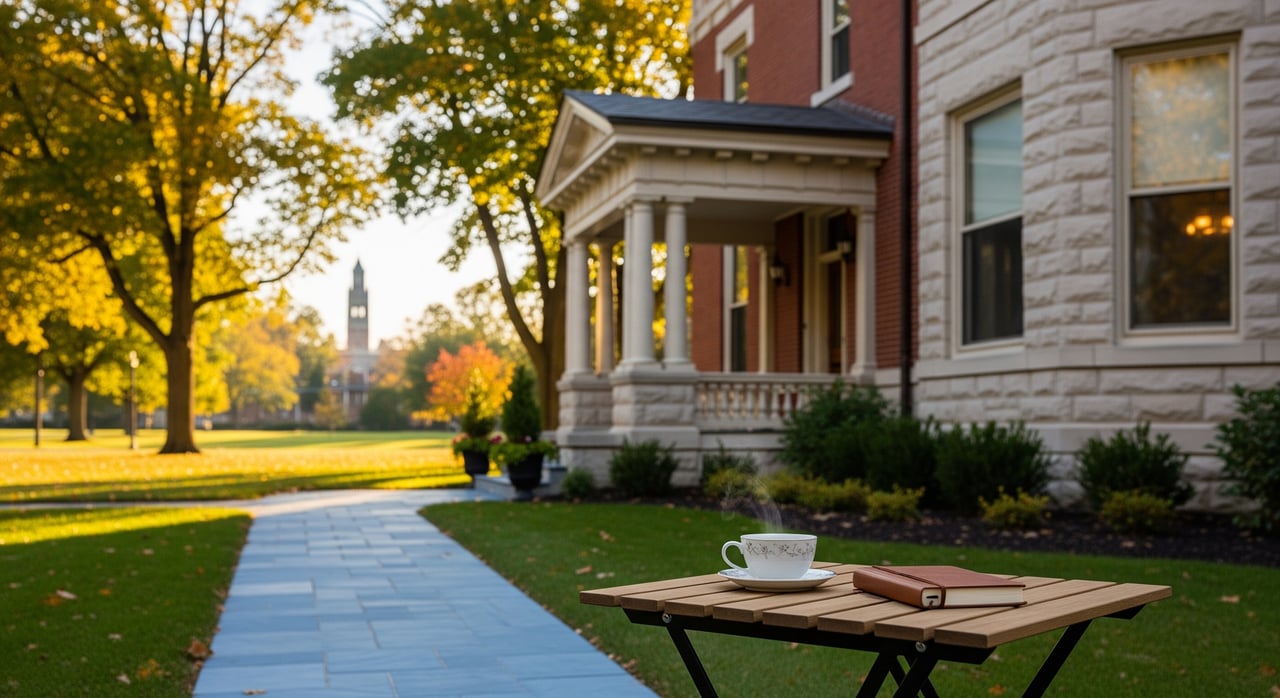
Wondering what everyday life in Champaign County actually feels like? Picture the energy of a Big Ten campus woven into quiet neighborhoods, suburban conveniences, and open-space escapes just a short drive away. If you’re exploring a move, you want the real-world details: daily rhythms, commute options, parks and culture, housing styles, and what changes from season to season. This guide gives you a clear, practical snapshot so you can decide what fits your lifestyle. Let’s dive in.
Big-picture snapshot
Champaign County is anchored by the University of Illinois Urbana–Champaign, and you’ll feel that influence in daily life. The academic calendar shapes traffic bursts, event schedules, and even housing demand near campus. You’ll also find steady year-round employment from health systems, research and tech companies, and local government.
You get four distinct seasons. Summer brings hot, humid weather and outdoor events. Fall arrives with colorful foliage and busy football weekends. Winters are cold with occasional snow, and spring brings green-up along with thunderstorms and an occasional tornado risk. Community events and daily routines often track with both the season and university schedule.
Neighborhood rhythms
Near campus and downtown
If you live near UIUC or in downtown Champaign or Urbana, expect a livelier pace. You’ll see more pedestrian and bike traffic, a steady lineup of performances and lectures, and a full dining scene. Many residents here walk or bike to campus and work, and local buses are frequent along major corridors.
Evenings and weekends feel active, especially during university sports and special events. You’ll find apartments, mixed-use buildings, and some historic homes in the established city neighborhoods nearby.
Suburban villages
Villages like Savoy and Mahomet offer a quieter, family-oriented rhythm. Most errands happen by car, and you’ll see more single-family homes with yards and newer subdivisions. Parks, playgrounds, and community programming are common, and Savoy gives you quick access to University of Illinois Willard Airport.
These areas often draw buyers who want a bit more space while staying within a short commute to Champaign or Urbana. Daily life here leans toward school activities, grocery trips, and weekend outings to lakes or larger parks.
Small towns and rural areas
Towns such as Rantoul, Tolono, and Homer have a smaller-town feel and lower-density housing. You’ll likely drive farther for work and services, and your lot size may be larger. Rural stretches offer privacy and a quieter pace, with agriculture as a backdrop.
If you prefer open skies and breathing room, this part of the county delivers that feel while keeping you within reach of the city for work, shopping, and healthcare.
Getting around
Most residents drive for errands and commuting, but your options depend on where you live:
- Car: Many county residents have commutes under 30 minutes, depending on distance and job location.
- Bus: The Champaign–Urbana Mass Transit District serves core routes around campus and downtown, with reliable service for everyday trips.
- Walk and bike: Campus and downtown corridors are the most walkable, with bike-friendly routes for short trips in the core.
- Regional travel: Willard Airport sits near Savoy for regional flights. Amtrak serves Champaign for trips to Chicago and points south, and intercity buses operate in the region.
During busy campus events, expect more traffic near stadiums and main venues. Winter weather can slow things down; you’ll want to plan accordingly when snow or ice hits.
Parks and outdoor time
You’ll find an easy mix of city parks and regional preserves. Lake of the Woods near Mahomet, Homer Lake near Homer, and Allerton Park & Retreat are popular spots for hiking, boating, fishing, and picnicking. In-town, you have neighborhood parks, playgrounds, athletic fields, and community pools maintained by local park districts.
If you like to stroll or pedal, look for trails that run through Champaign–Urbana and along waterways like Boneyard Creek. Warm months bring outdoor concerts and farmers markets, while winter shifts activity indoors to community centers and cultural venues.
Arts, sports, and dining
UIUC anchors a strong cultural scene. You can attend performances at Krannert Center for the Performing Arts, explore campus museums, and catch lecture series throughout the year. Sports are a big draw, with football and basketball weekends energizing local restaurants and downtown streets.
Dining reflects the university’s international community. You’ll find casual college spots, global cuisines, coffee shops, and chef-driven restaurants. Nightlife clusters near campus and downtown, while suburban shopping areas focus more on family-friendly dining. Everyday shopping is straightforward, with grocery chains, regional shopping centers, and local independent stores spread across the county.
Healthcare access is another strength. Regional hospitals and clinics offer emergency and specialty care, which many families consider when planning a move.
Housing choices
Near-campus options
Around UIUC, you’ll see a lot of rental apartments, townhomes, and historic homes converted for student housing. Turnover is higher here, and prices reflect student demand. If you want a quieter block with longer-term neighbors, you may look a bit farther from the core.
Established city neighborhoods
Older parts of Champaign and Urbana feature early 20th-century bungalows, Craftsman and Victorian-era homes, and mid-century houses on tree-lined streets. These homes often have character and solid bones, and may require a closer look at systems like HVAC and roofing.
Newer suburbs and HOAs
Subdivisions in places like Savoy and Mahomet offer newer single-family homes, modern layouts, and some HOA-governed communities. Yards and garages are common, and amenities are a short drive away.
Small towns and acreage
If you want more space, look to the smaller towns or rural parts of the county. You’ll see larger lots, farmhouses, and newer construction on acreage.
Buyer tips to keep in mind:
- Student demand shapes near-campus pricing and turnover.
- Spring and early summer are busy seasons for listings and moves.
- Older homes may need maintenance updates; budget for systems and roofs.
- Property taxes, utilities, and insurance vary by municipality and property type.
Schools and learning
Public school systems serve different parts of the county, including Champaign Unit 4, Urbana School District 116, and Mahomet-Seymour. For higher education, Parkland College and UIUC provide a wide range of programs and community offerings.
If schools are a priority for you, review attendance boundaries and program details directly with the districts. Offerings and enrollment processes can vary by neighborhood.
Costs and practicalities
The overall cost of living in Champaign County tends to be lower than major metropolitan areas. Housing is generally more affordable than in big cities, though rents near campus can be higher due to student demand. Utility costs, property taxes, and insurance differ by town and property type, so it helps to compare estimates for the specific home and location you’re considering.
Public safety perceptions vary by neighborhood. You can review local crime maps and city open data portals, and visit at different times of day to get a feel for the area. For internet and utilities, the core communities have strong options, and newer developments may have different provider choices—check availability by address.
A few “day in the life” examples
Downtown professional
You might bike or walk to work near campus, grab lunch at a local café, and catch an evening performance or film screening. Weekend mornings could mean the farmers market or a trail walk along Boneyard Creek.
Savoy or Mahomet family
Your day starts with a school drop-off and a short commute. Evenings are for practice at a community field or a playground visit. Weekends might include Lake of the Woods or Homer Lake, plus a grocery run at a nearby shopping area.
Small-town or rural resident
You’ll likely drive farther for work and errands, but come home to more space and quiet. On weekends you might head into town for dining or catch a university game or concert.
When to buy or sell
Spring and early summer tend to see the most listings and moves. The university schedule also affects timing, especially near campus when leases turn over. If you’re planning a sale, consider prepping ahead of the busy season. If you’re buying, think about whether you prefer the wider selection of spring or the calmer pace that can come later in the year.
Quick decision checklist
- Identify your preferred daily pace: campus energy, suburban calm, or rural space.
- Map your commute and errands. Try the route during your typical hours.
- Prioritize features: yard size, garage, age of systems, HOA or not.
- If schools matter, verify district boundaries and programs.
- Walk or drive neighborhoods at different times to get a feel.
- Time your move with the season and university calendar if relevant.
If you want a local sounding board as you weigh options, we’re here to help you compare neighborhoods, time your sale or purchase, and navigate the details with less stress. Connect with Tracy Slater to schedule a free consultation and start planning your next step with confidence.
FAQs
What are typical commutes in Champaign County?
- Many residents have commutes under 30 minutes, but your time depends on distance and job location; driving is common, while campus and downtown areas are well served by buses.
How does UIUC shape everyday life?
- The academic calendar influences traffic, events, and housing near campus, adding cultural programming and sports while creating seasonal shifts in activity.
Are there good outdoor recreation options nearby?
- Yes, from city parks and trails to regional spots like Lake of the Woods, Homer Lake, and Allerton Park, with year-round options for walking, biking, fishing, and picnicking.
What should homebuyers know about housing near campus?
- Expect more rentals, higher turnover, and pricing shaped by student demand; many long-term buyers look slightly farther out for quieter streets and more parking.
Do I need a car to live in Champaign–Urbana?
- A car is helpful for most households, but many downtown and campus residents walk, bike, or use the bus network for daily errands and commuting.