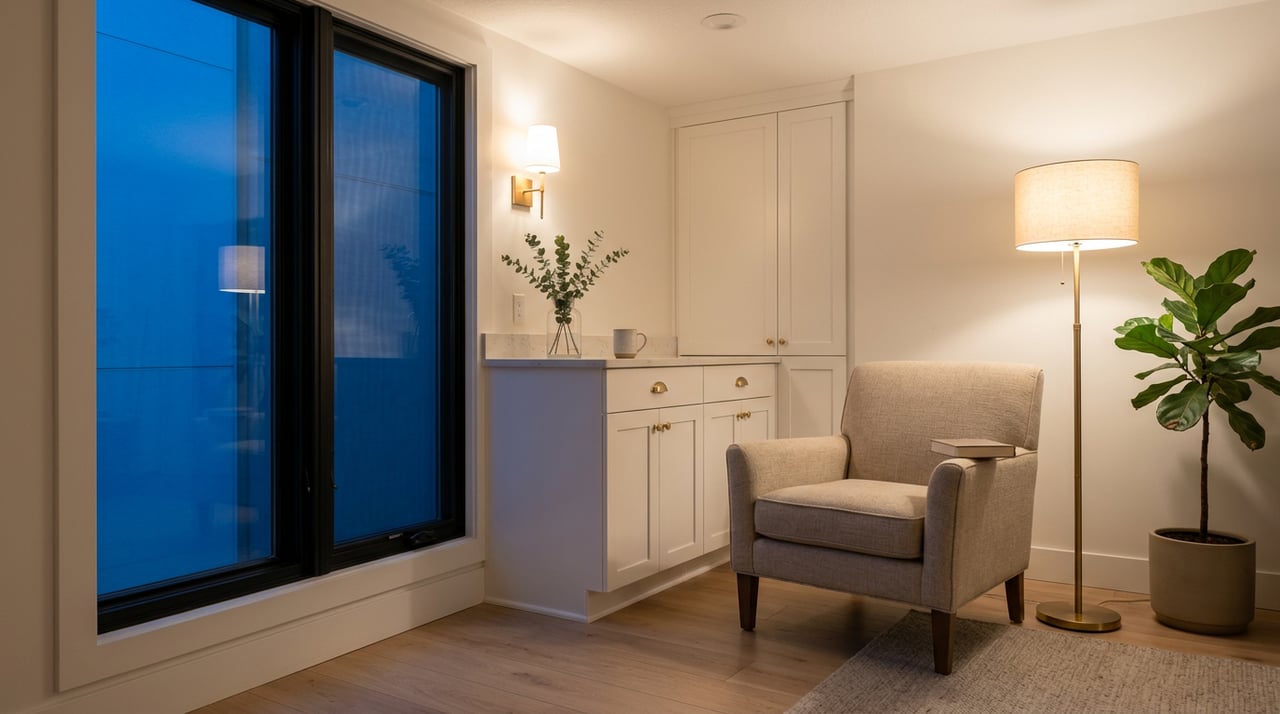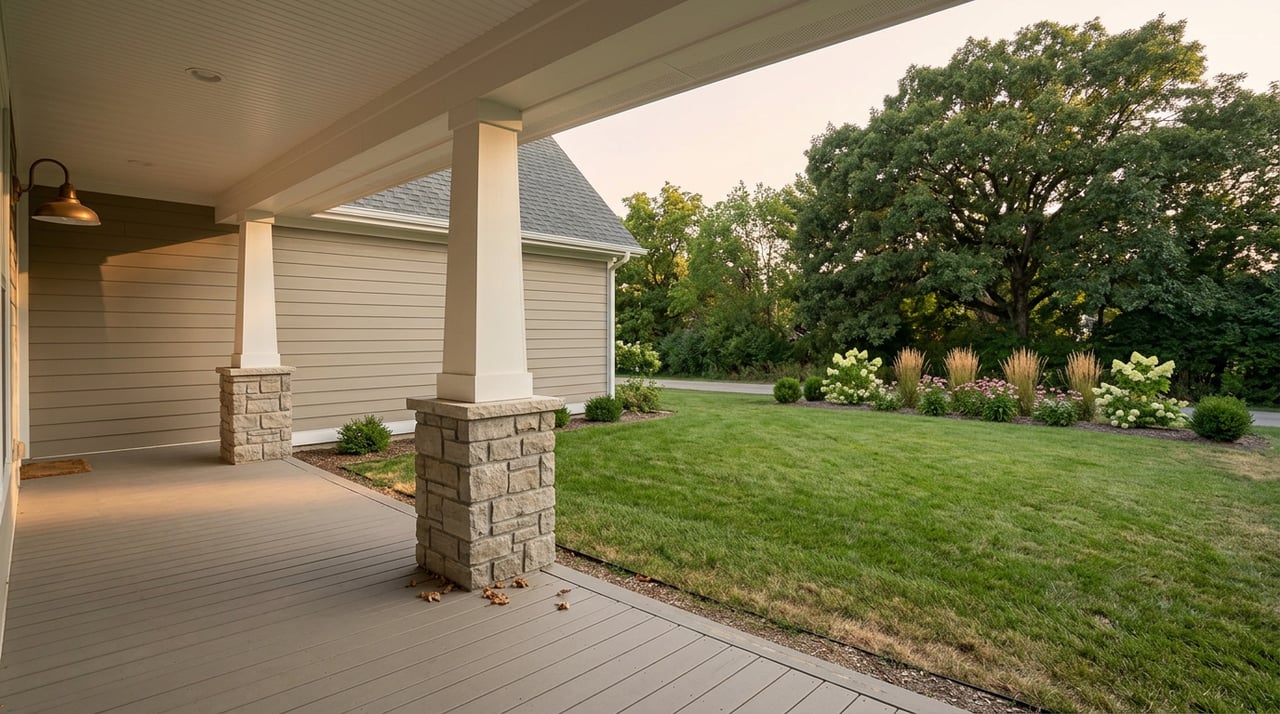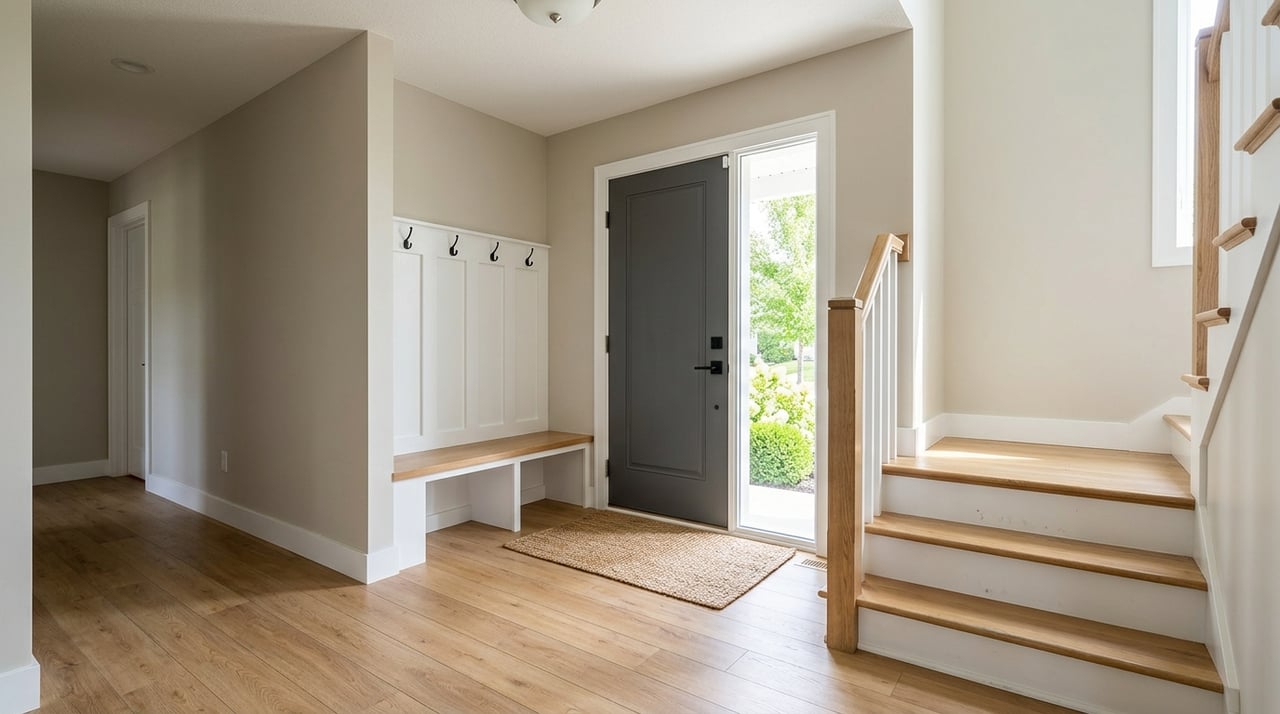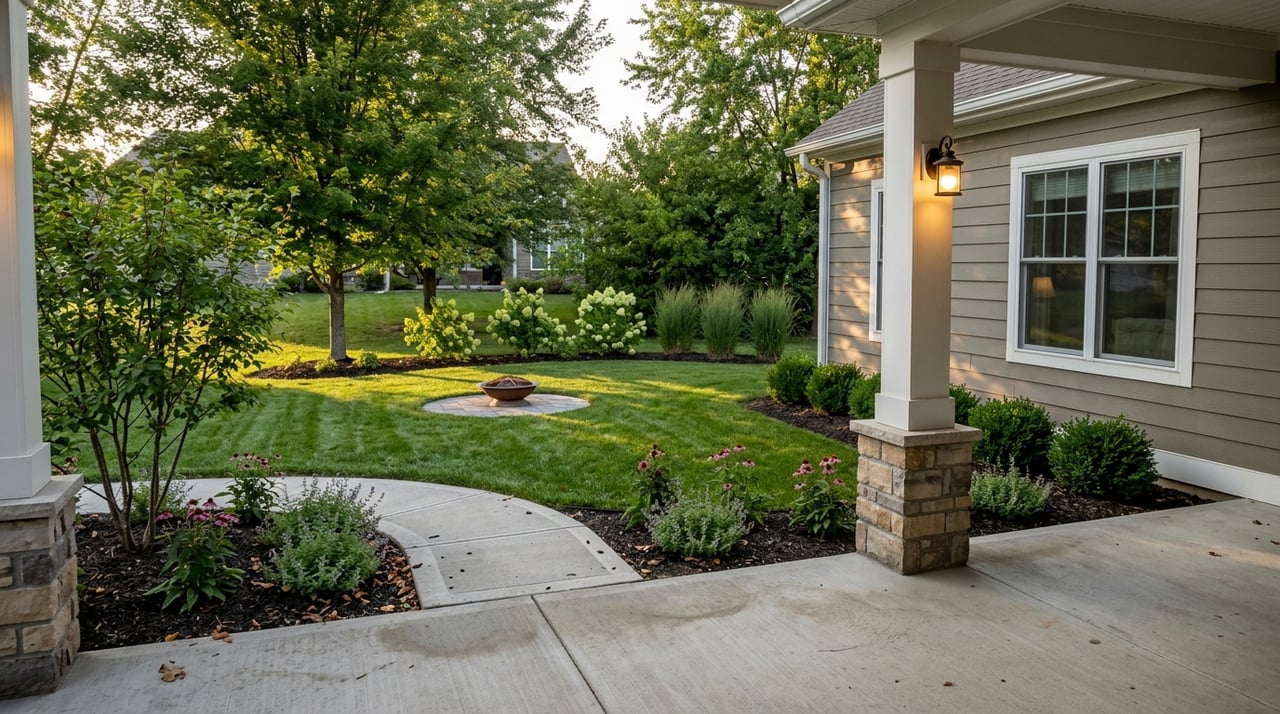
New job in Champaign–Urbana and a move on the horizon? You’re not alone. Many new hires land here for UIUC, Carle Health, or regional research roles and need a fast, practical way to choose a neighborhood, plan a commute, and set up life smoothly. This guide gives you the essentials: where people live, how long it takes to get around, what to look for in homes and rentals, how to prep for Midwest weather, and how to tour properties remotely with confidence. Let’s dive in.
Champaign–Urbana at a glance
Champaign–Urbana centers on the University of Illinois Urbana–Champaign, with a strong healthcare and research presence from Carle Health and technology parks nearby. You’ll also hear about Savoy, Mahomet, and Rantoul when comparing commute, home type, and overall feel. The region blends campus energy with quiet residential pockets, downtown dining and culture, and a bike-friendly core.
You have solid travel connections for work and weekend trips. There is Amtrak service in downtown Champaign and regional flights from University of Illinois Willard Airport in Savoy. Local parks, trails, and recreation make it easy to stay active, and you can reach most daily needs within a short drive.
Where to live: neighborhood fit
Choosing a spot often starts with commute and home style. Here is a quick orientation to help you narrow the list.
Near-campus living
Areas around UIUC have many student rentals, historic homes, and multi-bedroom houses often converted to apartments. You’ll enjoy short walk or bike times to campus and frequent bus service. Expect more turnover and more activity, especially during the academic year.
Downtown Champaign and central Urbana
If you want urban conveniences with a quick commute, look at condos and apartments around downtown Champaign and parts of Urbana. You’ll find restaurants, coffee, and entertainment nearby. These areas work well for smaller households or anyone who values easy access to amenities.
Established single-family neighborhoods
East, west, and south Champaign, along with residential parts of Urbana, offer quieter streets with mature trees and a range of homes. You’ll see early 20th-century bungalows and foursquares, plus mid-century ranches and split-levels. Many residents stay long term, and the feel is relaxed.
Newer subdivisions and Savoy
If you prefer newer systems, attached garages, and planned streetscapes, consider Savoy and newer Champaign subdivisions. Homes tend to have modern layouts and larger yards. HOA documents may apply to some communities, so review rules and fees before you commit.
Outlying and rural towns
Mahomet and similar communities offer larger lots and a more rural vibe. Driving times increase, so map your route to campus, hospital, or offices during peak hours. These areas appeal if you want more space and do not mind a longer commute.
Family-focused pointers
If schools are on your radar, review district maps and enrollment steps with local school offices. Also look at proximity to parks, rec centers, and libraries. Families often prioritize access to these amenities over being close to campus.
Commute planning that works
Most local commutes are shorter than in big metros, but it pays to test your exact route.
- Driving: Many residents drive and find cross-town trips manageable, especially outside peak times.
- Bus transit: The Champaign-Urbana Mass Transit District connects neighborhoods, campus, downtown, and the airport. If you are affiliated with the university, check what pass options are available to you.
- Biking and walking: Common near campus and downtown, with dedicated lanes and ample bike racks.
- Regional travel: Amtrak serves downtown Champaign for Chicago and other cities. For flights, Willard Airport handles regional service, while Chicago airports are reachable by car or rail connections.
Parking and permits
- UIUC parking is regulated by permit. Confirm options with UIUC Transportation Services through your department or HR.
- Near-campus streets can have restrictions or permit rules. Downtown tends to use metered or structured parking.
- Apartment buildings and newer subdivisions often include assigned parking or garage space.
Commute checklist
- Test-drive or ride your route during peak hours to see real travel times.
- If you plan to ride MTD, review evening and weekend frequencies.
- For bikes, identify streets with dedicated lanes and lockup options at work.
Renting vs buying: what to expect
Your timing matters here, especially around the academic calendar.
Rental market basics
- Seasonality: Peak demand runs late spring through summer for fall move-ins. Visiting scholars and short-stay hires should begin early.
- Lease types: Expect 12-month, academic-year, and occasional shorter terms. Some landlords allow negotiation in summer.
- Utilities: Older rentals often exclude utilities. Some apartments include water or trash. Confirm what is covered in writing.
Buying considerations
- Older homes: Review maintenance history for roof, HVAC, electrical, plumbing, and insulation. Some sellers may have deferred tasks.
- Newer builds and townhomes: You may see HOA fees. Read HOA rules and review reserve funds.
- Near-campus properties: Proximity can support rental demand but may bring more wear and turnover.
Timing your search
- Rentals: Start 60 to 90 days before your move. For August arrivals, begin earlier.
- Purchases: Aim for 3 to 6 months, especially in academic season.
- Bridge options: Consider furnished or short-term housing if you need to house-hunt after arrival.
Paperwork to prepare as a renter
- Proof of employment or offer letter
- References and identification
- Credit report and recent pay stubs
- Deposit funds and, if needed, a guarantor letter for visiting scholars
Weather-wise home prep
Champaign–Urbana has four true seasons with hot, humid summers and cold, snowy winters. Spring and summer can bring severe storms. Plan ahead so your home stays comfortable and protected.
Winter readiness
- Insulation and weatherstripping: Check attics, walls, and drafty windows or doors.
- Heating system: Confirm furnace or boiler age and service records.
- Sump pump and basement: Test the pump, locate water shut-offs, and assess drainage.
- Snow removal: Clarify who handles sidewalks and driveways. Confirm storage for shovels or a plan for plowing.
Summer readiness
- Air conditioning: Verify central AC or window unit condition and service history.
- Storm prep: Inspect roof, gutters, and downspouts. Trim trees near the structure.
All-season checks
- Roof, water intrusion, pests, and foundation history
- Radon testing records and mitigation status
- Insulation upgrades for energy savings in older homes
Utilities and internet setup
Getting services scheduled early helps you avoid move-in surprises. Provider coverage can vary by block, so always verify for the exact address.
Typical providers
- Electricity: Ameren Illinois
- Natural gas: Nicor Gas
- Water, sewer, trash: City of Champaign for most city addresses
- Internet and cable: Comcast Xfinity and AT&T in many areas, with fiber availability varying by neighborhood
- Mobile: Major carriers generally have good coverage
Setup steps and timing
- Check service availability for your address as soon as you sign a lease or contract.
- Schedule electricity and gas activation 7 to 14 days before move-in when possible.
- Book internet installation early. Appointments and equipment supplies can be limited during peak move weeks.
- For rentals, confirm which services are landlord-held and which you must set up.
- For buyers, request meter reads, arrange account transfers, and request final readings from the previous occupant when possible.
Touring from afar: how to evaluate homes remotely
If you cannot visit in person right away, you can still make confident decisions with the right tools and questions.
Virtual tour types
- Live video walk-through: Real-time Q&A via Zoom or FaceTime.
- Recorded video tour: Allows repeat viewing. Ask for landscape orientation and a steady pace.
- 3D tours: Matterport-style scans help you understand room sizes and flow.
- Floor plans: Request room dimensions and a basic layout.
What to see on video
- Full home pass: Every room, closets, garage, basement, attic, and outdoor spaces
- Plumbing: Under-sink areas, water heater, and main water shut-off location
- HVAC: Furnace and AC units with labels or serial numbers and service info
- Electrical: Breaker panel with labeling
- Windows and doors: Watch seals and ease of opening and closing
- Connectivity: Ask about current internet service and a simple speed test
- History: Ask about any pest issues, water intrusion, or insurance claims
- Street view: A short block walk, nearby parking, and distance to transit or bike lanes
- Noise: If possible, compare day and evening sound levels
Smart questions to ask
- Exact square footage and how it was measured
- Typical utility costs and any historical bills available
- Lease terms, deposit, pet policies, HOA fees, and rule summaries
- Maintenance responsibilities and emergency contacts
- Planned roadwork or new development that could affect noise or traffic
After the tour
- Request seller disclosures, maintenance records, and recent utility bills
- If possible, plan a brief in-person check before signing or closing
- For remote closings, line up a local inspector, locksmith, and mover in advance
Making your move smoother with local help
Relocating is easier when you have a guide who knows the blocks, not just the map. Our team works across Champaign–Urbana, Savoy, Mahomet, and nearby towns, and we help you compare neighborhoods by commute, housing style, and daily living needs. We support buyers, sellers, and relocators with practical advice, virtual touring options, and connections to trusted local pros.
If you want a neighborhood-level orientation, a short list of homes that fit your goals, and a step-by-step plan for timing, utilities, and closing, we are here to help. Schedule a free, friendly consult to talk through your situation and next steps. Connect with Tracy Slater to get started.
FAQs
How long are typical Champaign–Urbana commutes for new hires?
- It depends on your route, but if you live near campus or downtown, many walk or bike in under 20 minutes, while cross-town drives rise during peak hours.
When should I start a housing search for an August start at UIUC?
- Begin rental searches 60 to 90 days ahead and earlier for buying, since demand increases in late spring and summer.
What utilities do I need to set up for a home in Champaign?
- Expect electricity, gas, water and sewer, trash, and internet or cable, and verify exact providers and coverage by address.
How does winter weather affect housing in Champaign–Urbana?
- Plan for cold and snow by checking insulation, furnace service, sump pump function, and who handles snow removal.
What should I ask for during a remote home tour if I cannot visit?
- Request a live or recorded walk-through plus views of HVAC, electrical, plumbing, windows, the neighborhood block, and any available utility bills or maintenance records.