Pull up the numbers on Champaign and the story looks simple. The median sale price dropped 23.5 percent year over year as of June 2026, settling at $269,900. A falling median usually means one thing: sellers losing leverage, buyers gaining room to negotiate, a market cooling off. That's the read a lot of relocators and move-up buyers bring with them when they start looking at Champaign against other Central Illinois towns.
Then they write an offer and find out the market didn't get the memo. Homes sold in a median of 47 days that same month. They closed at 99.78 percent of asking price. Sales volume was up 32.54 percent from a year earlier, with 224 houses changing hands in June alone. By August, days on market had tightened further to 35, even as the median list price held flat at $275,000, essentially unchanged both month over month and from a year earlier.
That's not what a cooling market looks like. That's a market where the price tag fell but the competition didn't.
The number everyone quotes, and the one they skip
Here's the June 2026 snapshot, side by side:
| Metric (June 2026) | Reading | Year-over-year change |
|---|---|---|
| Homes available | 157 | down 4.27% |
| Months of supply | 0.7 | down from 0.99 |
| New listings that month | 60 | down 38.78% |
| Homes sold that month | 224 | up 32.54% |
| Median days on market | 47 | tighter pace than typical balanced markets |
| Sale-to-list price ratio | 99.78% | essentially flat |
| Median sale price | $269,900 | down 23.54% |
A balanced market runs five to six months of supply. Champaign is sitting at 0.7. That's not a soft patch. That's a market where a house that lists on a Tuesday can be under contract by the following week, and where sellers routinely get within a rounding error of their ask.
So why did the median price fall while everything else tightened? The most likely explanation isn't that homes got cheaper. It's that the mix of what sold shifted toward more moderately priced properties in a given month, which drags the median down without meaning any individual home is selling for less than it would have a year ago. Median price is a snapshot of what happened to sell, not a price tag on the market itself. Anyone using it alone to gauge whether Champaign is a buyer's or seller's market is reading half the instrument panel.
Who's actually signing these offers
The obvious explanation for a tight college-town market is students and their parents buying up rental stock near campus. That's real, but it's not what's driving single-family competition in family neighborhoods, and it's not new. What's changed is who else is competing for those same houses.
The University of Illinois Research Park, on the southwest edge of campus in Champaign, now houses more than 120 companies employing over 2,100 people, according to the park's own published figures. The tenant roster includes multinational names most home shoppers wouldn't expect to find in a Central Illinois college town: Abbott Laboratories, AbbVie, Ameren, Capital One, and bp all maintain operations there, alongside a steady churn of university-spun startups. A few blocks away, downtown Champaign is home to Wolfram Research, the company behind Mathematica and Wolfram Alpha, headquartered locally rather than in a coastal tech hub. Add Carle Health, the region's dominant hospital system with more than 6,000 employees, and you get a base of professional, often dual-income households whose next move is buying a house, not renting a bedroom near Green Street.
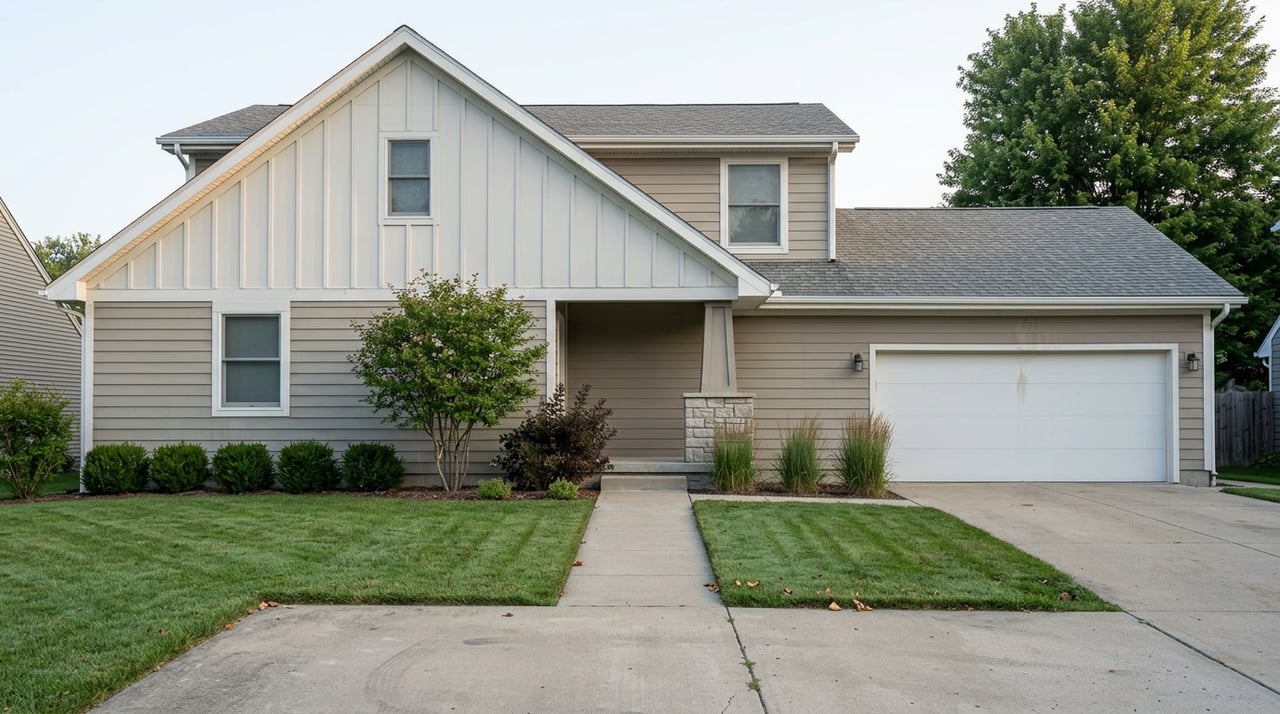
This matters because it changes who a seller's competing pool of buyers actually is. A three-bedroom ranch in an established Champaign neighborhood isn't just competing against other local buyers anymore. It's competing against a research engineer who just took a job at the park and wants to close before the semester starts, or a Carle physician relocating from out of state who isn't shopping on a student's timeline or budget.
Officials at the Research Park have been candid about the strain this creates. In 2025, the park's director of external engagement, Laura Bleill, told the News-Gazette that the park was in talks to build its own staff apartments near Carle Orthopedics and Sports Medicine, a project aimed squarely at housing employees and graduate students who couldn't easily find a place otherwise. That followed an earlier push, reported by WCIA in 2024, to rezone land around Fourth Street and Hazelwood Drive so the park could keep attracting employers. Neither of those stories is breaking news anymore, but together they show a growth trajectory that's been building for a couple of years, not a sudden 2026 blip. The tight resale market buyers are running into now is the lagging edge of that trend catching up with existing housing stock.
The subdivisions trying to keep up, and why they're not enough on their own
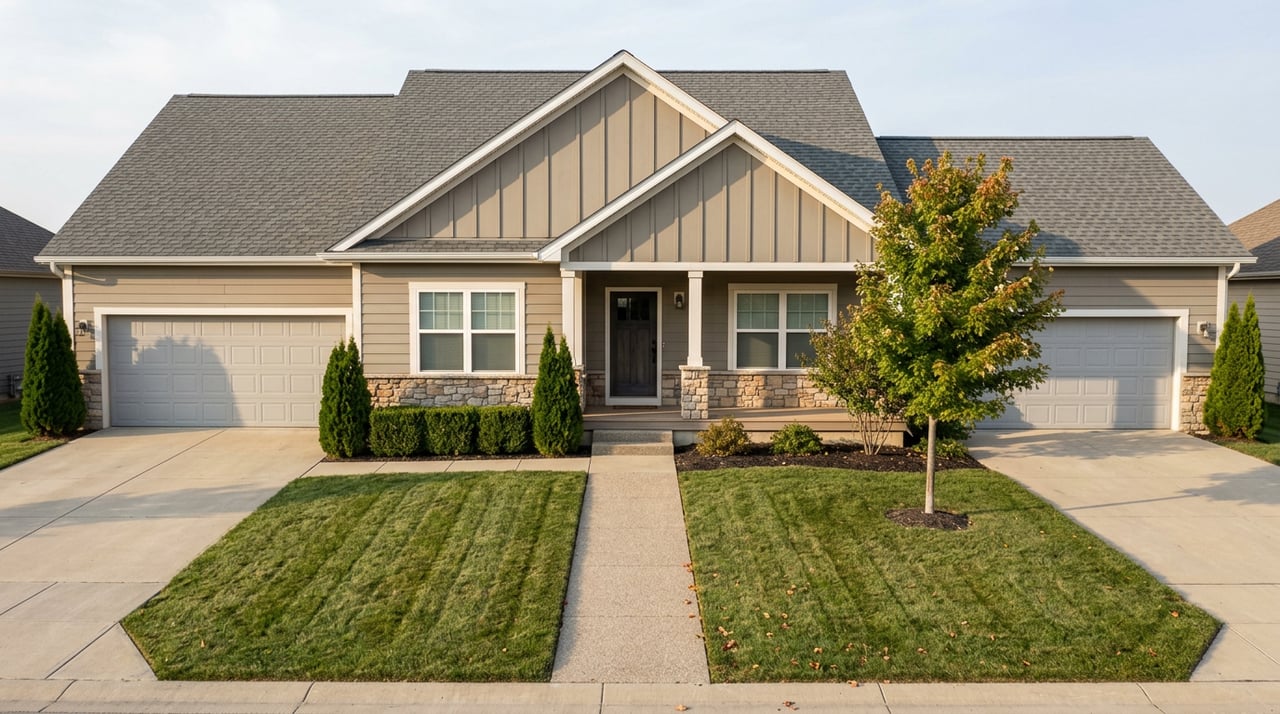
Builders have noticed. Boulder Ridge, in northwest Champaign, has multiple spec homes under construction. Beringer Commons in Urbana is selling new waterfront-lot builds. Thornewood, Prairieside, Hunters Ridge, and Savannah Green all have active new construction listed across Champaign County right now, and Heritage Estates West is delivering zero-lot-line ranch homes aimed at buyers who want single-story living without a large yard to maintain.
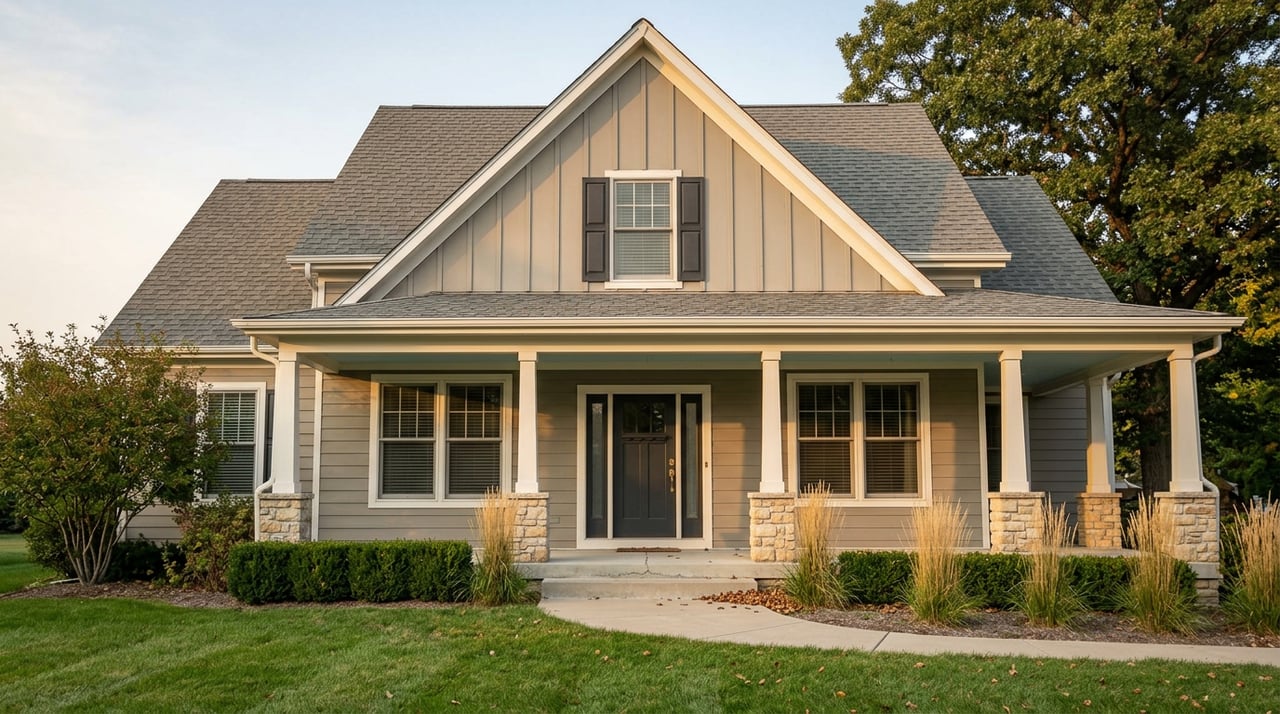
That sounds like a supply response. It mostly isn't, not yet. Of the roughly 194 single-family homes for sale in Champaign as of early August 2026, only 9 were new construction. The other 185 are existing homes, the same pool that a Research Park hire, a Carle transplant, a local first-time buyer, and a move-up seller's replacement purchase are all drawing from. New subdivisions are real and worth touring, but they're a small fraction of what's actually changing hands, which is why the overall market still behaves like one with almost no breathing room.
What this means if you're actually shopping here
If you're comparing Champaign to Danville or Decatur on price alone, the comparison undersells what you're walking into. A lower median doesn't buy you negotiating leverage if the home you want sells in five weeks at full ask. A few things worth building into a strategy before you start touring:
- Treat the median price as a description of the market's mix, not a target. Price expectations should come from comparable recent sales in the specific subdivision or block you're targeting, not the citywide median.
- Expect to compete against buyers on employer-driven timelines. A relocation package or a start date at the Research Park or Carle can push a buyer to move faster and with fewer contingencies than a typical local sale.
- If new construction interests you, ask a builder directly about their current pipeline in Boulder Ridge, Beringer Commons, or similar communities rather than assuming standing inventory will be there when you're ready. With new listings down nearly 39 percent year over year in June, waiting for more choices to show up isn't a reliable plan.
- If you're selling, this is not a market that rewards guessing high and expecting to negotiate down slowly. A well-priced, well-presented listing in a market moving this fast will draw its buyer pool quickly.
Frequently asked questions
Does a falling median price mean I have more room to negotiate in Champaign? Not on its own. The June 2026 data shows a falling median alongside a 99.78 percent sale-to-list ratio and a 0.7-month supply, which means homes are still selling close to asking price and fast. The median moved because of what sold that month, not because sellers are accepting lower offers across the board.
Is buying new construction a way to skip the competition? It can help, but it's not a full workaround. New construction made up roughly 9 of 194 single-family listings in Champaign as of early August 2026. Subdivisions like Boulder Ridge, Beringer Commons, and Thornewood have active builds, but the overwhelming majority of what's for sale, and what you'll likely be bidding against other buyers for, is existing housing stock.
Will the Research Park's own housing project ease the market for regular buyers? It's designed to house Research Park staff and graduate students specifically, not the general resale market, so it's unlikely to add meaningful relief to single-family inventory even once it's built. It does signal that the employment growth behind this tight market is durable enough that the park itself is investing in solving its own housing problem.
Champaign's price tag is genuinely one of the more approachable ones in Central Illinois. Its pace is not. If you're weighing a move here, or trying to time a sale to catch this window, it helps to have someone who watches these numbers month to month and knows which subdivisions are actually delivering new inventory versus which ones are just listed for pre-sale. That's the kind of read The Tracy Slater Group gives clients before they write an offer, not after they've lost one. Schedule a free consultation and we'll walk through what this market actually looks like for the house you're trying to buy or sell.